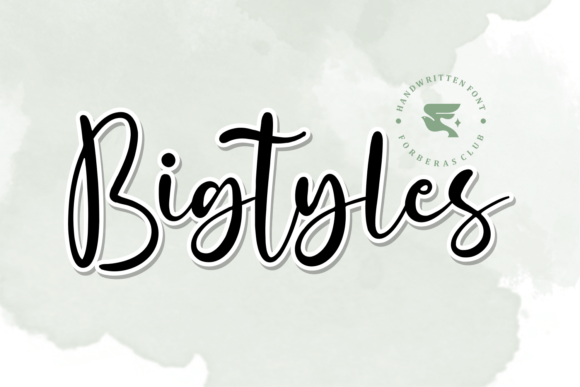
Bigtyles: A Handwritten Typeface for Modern Branding
When I first opened my design software to start a new brand identity project, I knew I needed something that felt personal yet polished. Bigtyles immediately caught my eye as one of those rare Script Handwritten Fonts that bridge the gap between traditional calligraphy and modern minimalism. In this article, I want to share how integrating this exquisite handwritten font into a real-world branding workflow can elevate your creative assets, from logo drafts to final packaging mockups.
Using Bigtyles for Elegant Logo Design and Brand Identity
The initial challenge in any branding project is establishing a visual voice that resonates with the target audience without feeling generic. Bigtyles serves as a powerful tool in this phase because it maintains its classy calligraphic influences while feeling contemporary and fresh. When I tested it for a boutique skincare line, the fluid strokes added a layer of sophistication that standard sans serif fonts simply could not achieve. As a premium font, it allows designers to create logos that feel handmade and authentic, which is crucial for businesses wanting to convey trust and artisanal quality.
Fall in love with it an d you will notice how the letterforms connect naturally, reducing the need for excessive manual kerning adjustments. This efficiency is vital when working under tight deadlines. The Script Handwritten style of Bigtyles ensures that the logo remains legible even at smaller sizes, such as on social media avatars or favicon icons. By choosing a typeface with such distinct personality, you set the tone for the entire brand identity, making it memorable and visually cohesive across all touchpoints.
Enhancing Packaging Design with Bigtyles Calligraphic Flair
Packaging design requires a delicate balance between aesthetic appeal and functional readability. Bigtyles excels here by adding a human touch to product labels and boxes. When I applied this font to a series of mockups for a local coffee roaster, the result was immediate warmth. The exquisite handwritten font quality of Bigtyles makes it ideal for highlighting key product names or taglines, drawing the consumer’s eye to the most important information. It acts as a display font that commands attention without overwhelming the overall design hierarchy.
For designers working in the food and beverage industry, using Script Handwritten Fonts like Bigtyles can differentiate a product on crowded shelves. The contemporary feel ensures that the packaging does not look dated, while the calligraphic roots provide a sense of heritage and craft. Whether you are designing sticker labels, box inserts, or hang tags, this typeface offers the versatility needed for various print materials. It pairs beautifully with clean sans serif fonts for ingredient lists, creating a professional contrast that enhances readability and visual interest.
Creating Engaging Social Media Graphics with Bigtyles
In the digital realm, consistency is key to building brand recognition. Bigtyles provides a consistent visual thread for social media graphics, stories, and posts. As a Script Handwritten font, it adds personality to quote cards, promotional banners, and announcement posts. I found that using Bigtyles for headlines in Instagram templates increased engagement because it felt more personal and less corporate. The masterfully designed strokes ensure that the text remains clear even on mobile screens, which is essential for modern web design and social content.
When creating digital assets, it is important to consider how the font interacts with background images and colors. Bigtyles works well against both light and dark backgrounds, provided there is sufficient contrast. Its contemporary and fresh aesthetic makes it suitable for lifestyle brands, creative studios, and influencers who want to maintain a high-end look. By incorporating this handwritten font into your digital template library, you streamline your content creation process while ensuring every post aligns with your brand’s visual identity.
Pairing Bigtyles with Serif and Sans Serif Typefaces
A common question among designers is how to effectively pair a script font with other typography styles. Bigtyles is versatile enough to work with a wide range of fonts. For a classic and elegant look, pair it with a traditional serif font for body text or subheadings. This combination evokes a sense of timelessness and reliability, perfect for wedding invitations or luxury goods. Alternatively, pairing Bigtyles with a modern sans serif font creates a crisp, contemporary contrast that feels fresh and approachable.
The key to successful font pairing is balance. Since Bigtyles is a display font with strong visual presence, it should be used sparingly for headlines and accents. Let the supporting typeface handle the heavier lifting of long-form text. This approach ensures that the Script Handwritten elements stand out without compromising readability. Experimenting with different weights and styles from your font library can help you find the perfect harmony for your specific project needs.
Practical Tips for Licensing and Commercial Use of Bigtyles
Before finalizing any client project, it is crucial to verify the licensing terms of your chosen fonts. Bigtyles is designed for professional use, making it a reliable choice for commercial design assets. Whether you are creating merchandise, printed marketing materials, or digital products, ensuring you have the correct commercial font license protects both you and your client. Always check the included file formats and multilingual support to ensure the typeface meets the technical requirements of your project.
Testing the font in various contexts before full implementation is a best practice. Print out samples, view them on different devices, and check how the Script Handwritten letters render at different sizes. Bigtyles has been masterfully designed to become a true favorite because it holds up well under scrutiny. By taking these practical steps, you ensure that your final deliverables are not only beautiful but also functional and professionally executed. This attention to detail is what separates good design from great branding.